
According to IBNA, digital transformation has in recent years become one of the most defining economic and technological trends in the world — a trend that has not only reshaped traditional financial and banking structures, but has also steered the very concept of "economic management" toward data-driven approaches, intelligent systems, and greater reliance on emerging technologies. In this landscape, nations seeking to maintain competitiveness and enhance economic productivity have no choice but to move toward a smart economy and embrace technologies such as artificial intelligence, digital financial infrastructure, and open innovation systems.
In this context, the National Informatics Corporation, as one of the most influential institutions in the country's financial technology infrastructure, has played a central role in advancing this transformation. By focusing on the development of innovative solutions within the banking and financial system, the Corporation is working to pave the way for the transition from traditional banking to intelligent banking. Key initiatives in this regard include the development of the digital rial, the establishment and expansion of regulatory sandboxes, and the deployment of AI-powered intelligent assistants in analytical and decision-making processes.
The National Informatics Corporation's approach is grounded in the belief that by combining advanced technologies with the country's scientific and specialist capabilities, it is possible to simultaneously enhance economic productivity, strengthen macro-level decision-making, and build effective linkages between the government, the banking system, and the innovation ecosystem.
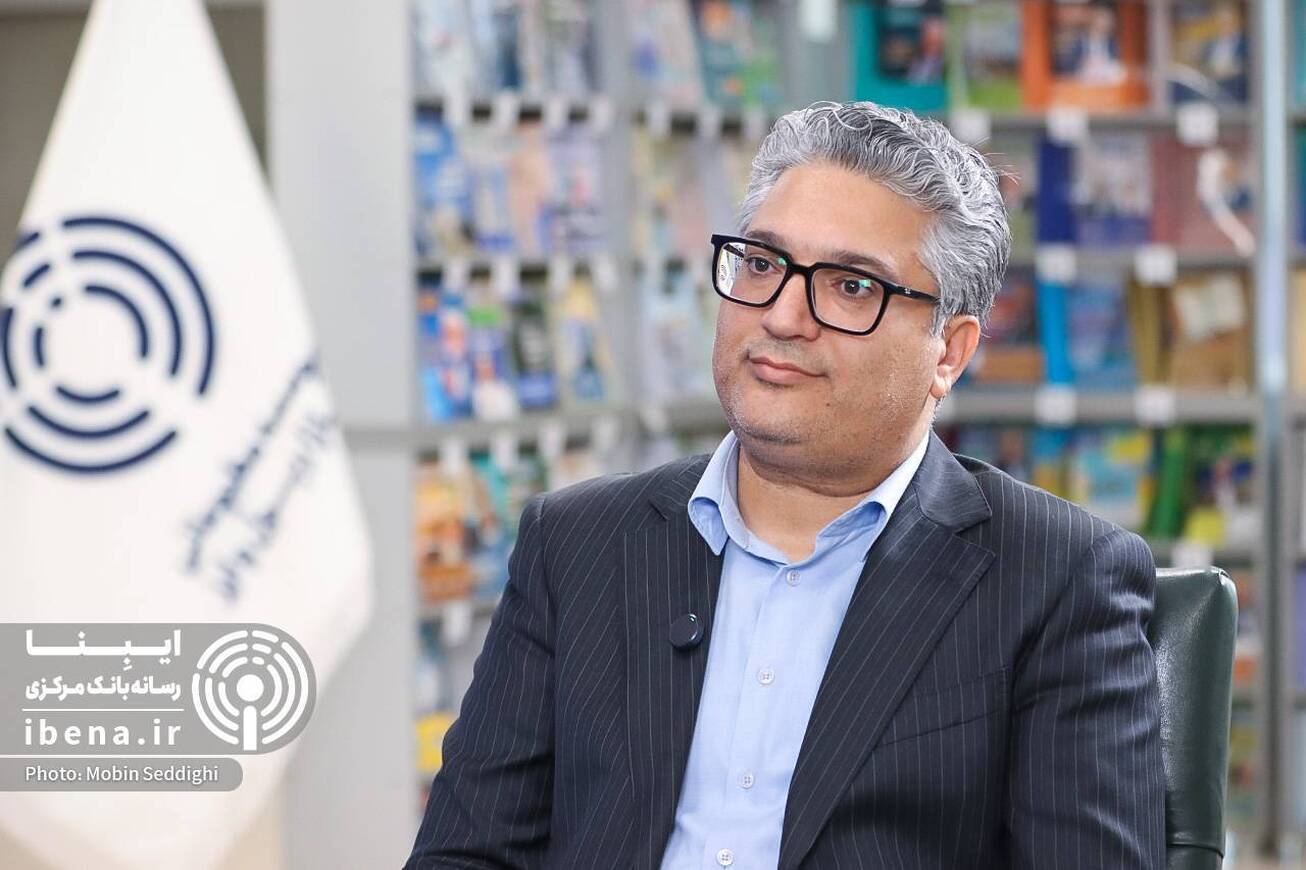
On this basis, we sat down with Seyed Reza Naseri Nik, CEO of the National Informatics Corporation, to examine the outlook for digital transformation in the country's banking system and the requirements for the transition toward a smart economy. The interview follows below.
Mr. Naseri Nik, given the rapid pace of technological change worldwide, what do you see as the primary strategy for moving beyond traditional structures and implementing modern financial systems in Iran? Are we ready for fundamental reform in the banking sector?
In recent years, the emergence of edge digital technologies has effectively triggered a paradigm shift in banking philosophy and practice. With the growing maturity and reach of technologies such as artificial intelligence, quantum computing, and cloud processing, we now stand at the inflection point of a major transformation. The era of relying on traditional methods is over, and for our economic system to remain competitive at the level of global economies, we have no alternative but to boldly pursue a "smart economy."
Our strategy at the National Informatics Corporation is to move beyond the traditional view of banking and focus on maximizing the use of artificial intelligence for macro-level decision-making. Alongside the Central Bank, we are working to operationalize innovative developments such as the digital rial, provide the infrastructure for unlocking dormant banking assets through the innovative mechanism of tokenization, develop a range of intelligent assistants, and strengthen the monetary regulator's innovation cycle through the regulatory sandbox — all with the aim of creating powerful innovation tools for the country's economic leadership and senior economic managers.
My message to the country's technology ecosystem is this: "The time for hesitation and trial has passed. Today, we need to make a bold entry into domains where national security and social responsibility are intertwined with economic development. We are not merely seeking to localize these technologies — we are pursuing a pioneering role in shaping the culture and discourse around emerging technologies, so that by drawing on our scientific and academic capacity, the National Informatics Group's innovation arms can become the driving engine of the country's macro-economic decisions."
Emphasis has consistently been placed on the importance of adopting and developing new technologies — especially artificial intelligence — within the country's economic system. What is the National Informatics Group's overarching vision and primary objectives for achieving this digital transformation at the macro level, and what do you expect from the key players in this field, such as technology companies?
Our primary goal is to help improve productivity and efficiency across all economic sectors — particularly the banking system — through the application of artificial intelligence and advanced technologies. We believe this transformation will not only enhance economic decision-making and operations, but can also increase the country's competitive advantage at the regional and global levels. The National Informatics Group has conducted in-depth research in this area, and a detailed roadmap for the deployment of AI technologies within the Central Bank and the interbank network has now been drawn up. All necessary actions, requirements, and applications have been identified, and their phased development has been planned accordingly. The National Informatics Group is therefore advancing along this path with a clear and deliberate program. What is required is adequate financial resources, sufficient specialist personnel, and robust processing and data infrastructure. Securing resources of this scale demands national resolve, high ambition, and the participation of all players within the ecosystem. Fragmented and isolated initiatives must be avoided, and the full capacity of every stakeholder must be aligned and channeled through a spirit of synergy if we are to have genuine hope of success in achieving a national transformation.
Given that the introduction of new technologies is invariably met with challenges and resistance, what do you believe is the overall strategy for accelerating the adoption and institutionalization of these technologies within the country's economic fabric? How can this resistance be overcome?Overcoming resistance requires a multi-faceted approach. The first step is building a deep and shared understanding of the benefits and necessity of these technologies across all levels. This calls for cultural groundwork and clear communication of tangible achievements. We must earn trust by presenting successful examples and demonstrating the real-world effectiveness of these technologies. In addition, close and productive collaboration between the public, private, and academic sectors is essential for research, development, and knowledge transfer. Our approach is grounded in bold implementation, strong scientific and research foundations, and the coordination of all stakeholders — so that we can accelerate the adoption of emerging technologies and fully realize their benefits.
نظرات:


